When to book a pest inspection and when treatment can wait
A practical guide to deciding whether a pest concern needs monitoring, inspection, or treatment, based on real site evidence.
Serving Cape Town and Johannesburg
Inspection-based service with clear reporting
Written for real decisions
These articles are meant to help a reader understand the issue more clearly before choosing the next step.
Local context
The content is framed around Cape Town and Johannesburg conditions wherever local detail matters.
Useful without being padded
The goal is clarity and practical value, not empty volume.
Useful next steps
If the article helps you identify the problem, the next move should be clear and practical.
Published 22 September 2026
When to book a pest inspection and when treatment can wait
Not every pest sighting means a property needs immediate treatment, but every repeat sighting deserves a clear explanation. The right first step depends on the pest, where it was found, how often it appears, and what conditions on the property are supporting it.
This guide explains the difference between monitoring, inspection, and treatment so homeowners, restaurants, offices, warehouses, and hospitality sites can make a calm decision without guessing.
When monitoring is reasonable
A single low-risk sighting can sometimes be watched briefly, especially when there is no food, moisture, damage, or repeated activity.
- One outdoor insect sighting near an open door or window
- A once-off ant trail after a spill that disappears after cleaning
- No droppings, nesting material, damage, odour, or night-time activity
- No activity around kitchens, drains, beds, roof spaces, or stored goods
Monitoring should still be active. Clean the area, remove food access, check again at the same time of day, and keep note of whether activity returns. If the same sign repeats, it is no longer a once-off.
When an inspection is the right next step
Inspection is best when the evidence suggests pressure, but the source is not yet clear.
- Cockroaches seen at night or close to drains and appliances
- Scratching sounds in a ceiling, roof, cupboard, or wall void
- Droppings, rub marks, gnawing, or damaged packaging
- Ant trails that return after cleaning
- Bites, marks, or guest complaints linked to sleeping areas
- Mud tubes, hollow timber, bubbling paint, or doors that suddenly bind
A proper inspection protects the client from paying for the wrong treatment. It identifies the pest, the pressure points, the entry routes, and the site conditions that must change for control to last.
When treatment should not be delayed
Some signs point to active risk and should be handled quickly, especially in food, hospitality, healthcare, rental, and stock-holding environments.
- Rodent droppings in kitchens, stores, ceilings, or work areas
- Cockroach activity in a restaurant, guesthouse, office kitchen, or apartment block
- Bed bug evidence in any occupied room
- Termite activity close to structural timber
- Bird contamination above entrances, signage, loading zones, or roof plant
- Repeated sightings in the same location across several days
Treatment is not only about removing visible pests. It should include findings, the method used, safety advice, proofing or hygiene recommendations, and a clear follow-up plan where the risk requires it.
Why real site evidence matters
Trustworthy pest control starts with what is actually happening on the property, not with a generic service package.
- The same pest can need different treatment in a home, restaurant, warehouse, or guest room
- Photographs, droppings, damage, access points, and location history help confirm the pattern
- Written findings make the recommendation easier to understand and review
- Follow-up matters when pests are using hidden voids, roof spaces, drains, or adjoining rooms
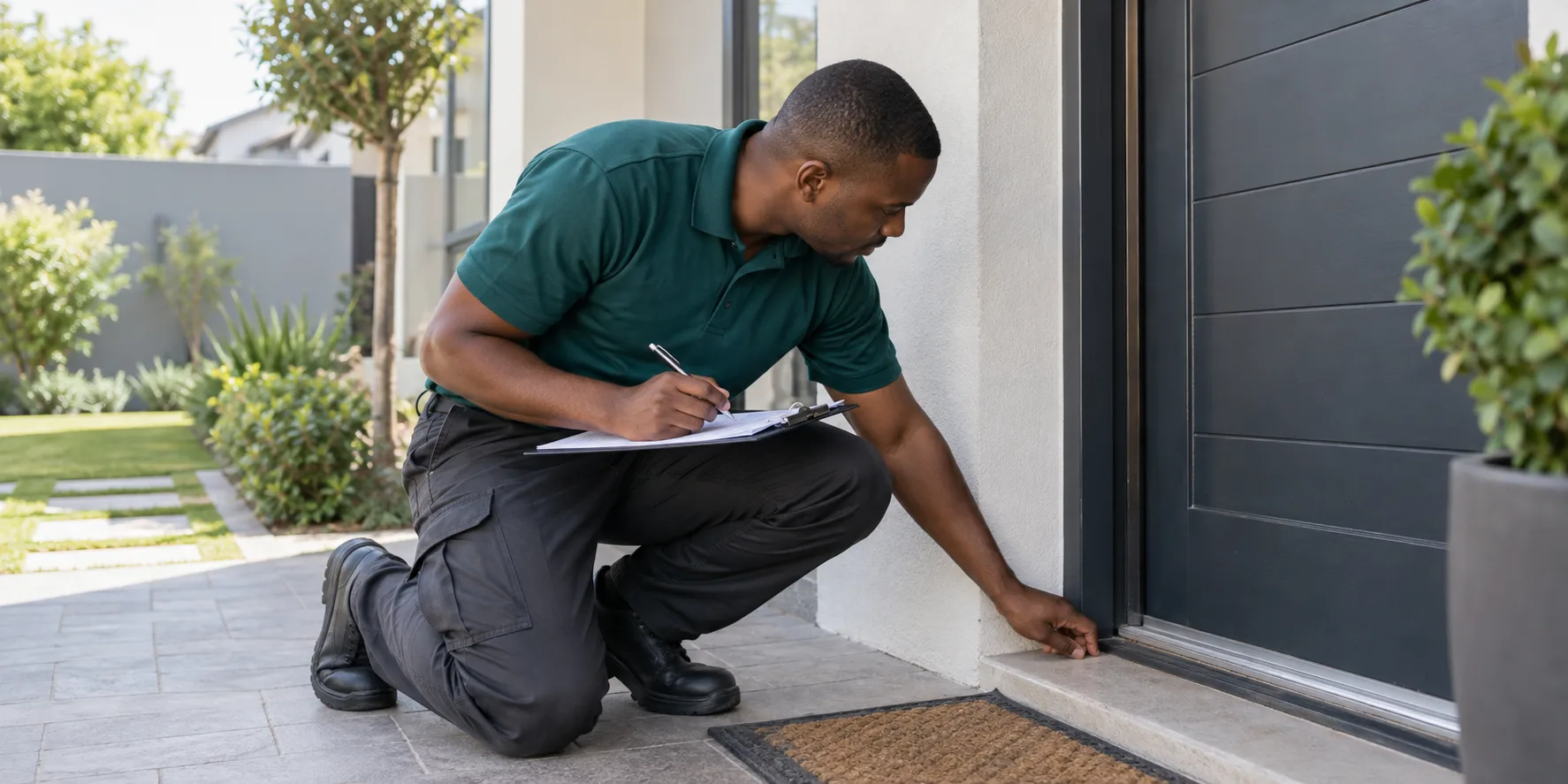
This is also why real work photos matter on a pest control website. Clients want to see practical evidence of inspections, equipment, and site conditions because the service is about trust as much as treatment.
How Alpha Pest Controls decides the next step
The process is inspection-led: identify the pressure first, then choose the least disruptive service that will actually hold.
- Confirm what pest is present and where activity is concentrated
- Check food, moisture, harbourage, access, and nearby risk areas
- Separate urgent treatment needs from manageable prevention work
- Recommend proofing, sanitation, monitoring, or treatment based on the evidence
- Document findings clearly for homes, businesses, and managed properties
The aim is not to make every concern bigger than it is. The aim is to judge it properly, act early when needed, and avoid wasting time on treatments that do not match the site.
Frequently Asked Questions About Inspection and Treatment
Do I need pest control after one sighting?
Not always. One low-risk sighting may be monitored, but repeat sightings, night activity, droppings, damage, or activity near food, beds, ceilings, drains, or stock areas should be inspected.
Why book an inspection before treatment?
Inspection confirms the pest, the source, the access points, and the site conditions. That makes the treatment more accurate and reduces the chance of the same issue returning.
What signs mean I should not wait?
Rodent droppings, bed bug evidence, cockroaches in food areas, termite signs near timber, and repeated activity in the same location should be handled quickly.
Can Alpha Pest Controls help with prevention only?
Yes. If treatment is not needed, prevention may involve proofing advice, sanitation guidance, monitoring, and practical site recommendations.